Research

Global Research and Technology Development delivers outcome-focused research and innovation that harnesses UK scientific strengths and equitable international science partnerships to reduce poverty and solve complex global challenges, achieving impact at scale.

GRTD programmes

GRTD delivers high quality research and development in UK’s international development and foreign policy priority areas. We partner with private sector, academic institutions and research organisations to commission demand-responsive research and support evidence-informed decision-making at Posts and across the FCDO. We also invest in the generation and synthesis of rigorous research on implementation science through specialist ‘What Works’ platforms looking at what works in adopting and implementing evidence-based interventions.

Our programme portfolio comprises a large set of discrete programmes. Information on the full range of our ODA projects in different sectors and geographies can be found on:

  • The Development Tracker (available on GOV.UK) provides details on the international development programmes funded by FCDO, other government departments and partners.
  • MODARI the Mapping ODA research and innovation data tool provides information on existing ODA funded research projects.

GRTD publications

You can find the latest research reports and outputs from our funding via the following links

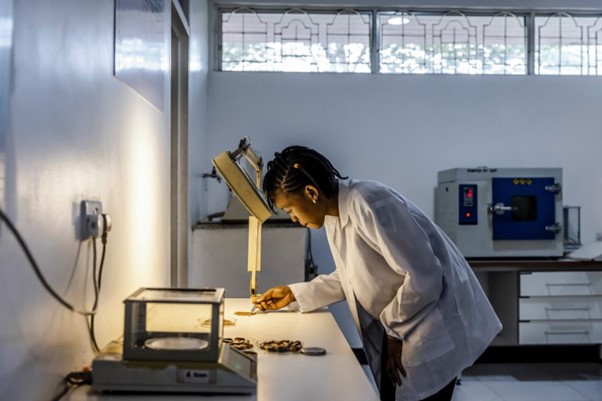
A Tanzanian scientist analyses seeds in a laboratory at a Tanzanian Forest Service; © Luis Tato/FAO

Spotlight

RCC research outputs

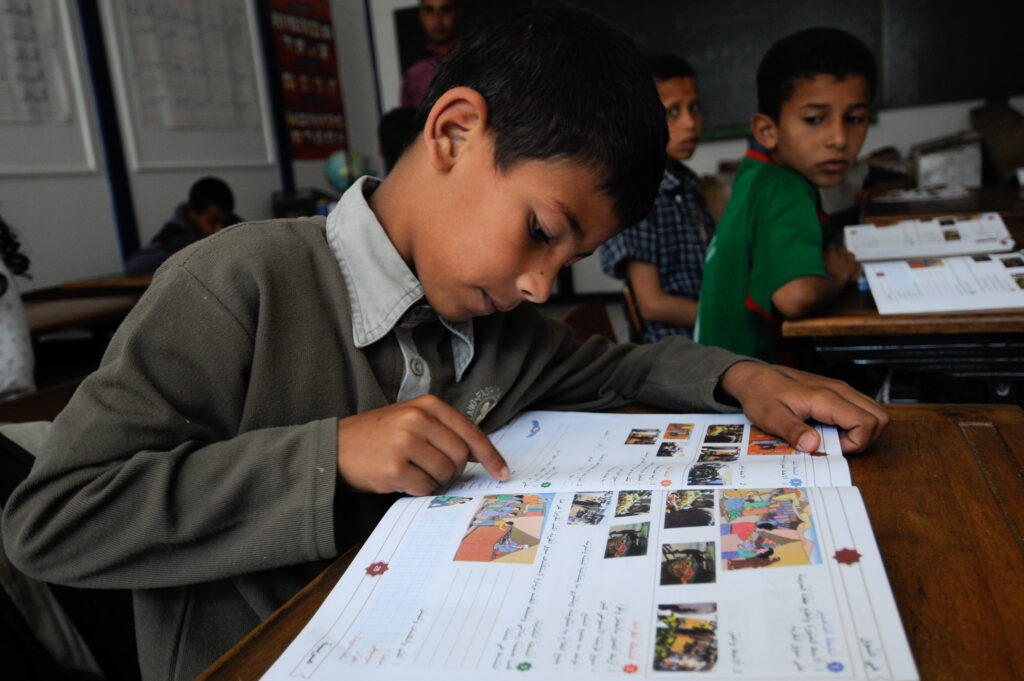
The vital importance of literacy

The vital importance of literacy

The Global Education Evidence Advisory Panel (GEEAP) unveiled its latest report, “Effective Reading Instructions in Low- and Middle-Income Countries: What the Evidence Shows.” This report highlights that literacy is the cornerstone of all learning.
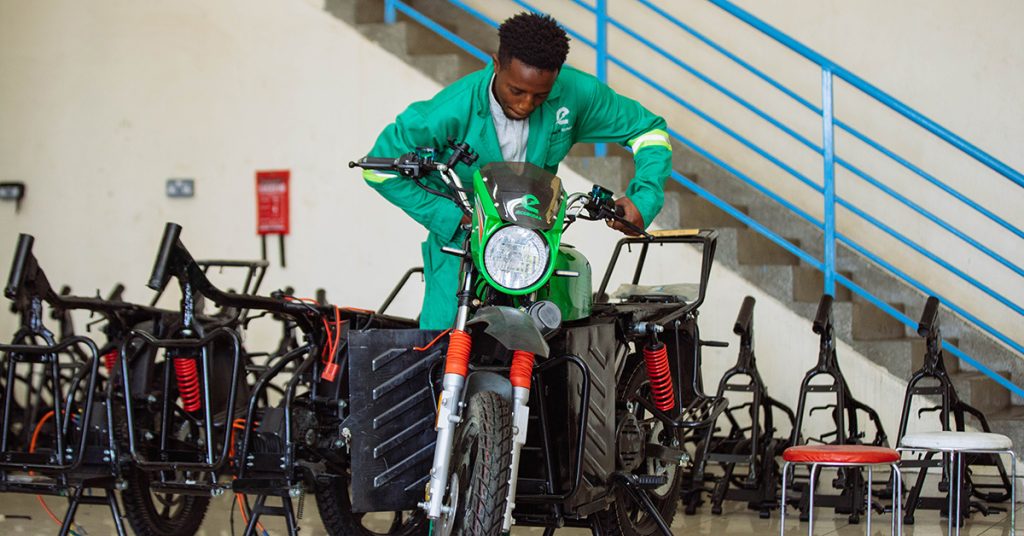
New report points the way forward for e-mobility in Africa

New report points the way forward for e-mobility in Africa

The Powering Renewable Energy Opportunity (PREO) programme launched its latest report - “Driving Interoperability: Insights from PREO’s E-Mobility Portfolio” at Africa E-Mobility Week 2025.

What does evidence-informed policymaking look like? A framework for conceptualising and measuring EIPM

What does evidence-informed policymaking look like? A framework for conceptualising and measuring EIPM

The past two decades have seen a proliferation of activity supporting evidence-informed policymaking (EIPM) in low- and middle-income countries.
Latest

Publications

Find the latest reports, papers, briefs and analysis for research supported by the Research Commissioning Centre (RCC) in this section. 

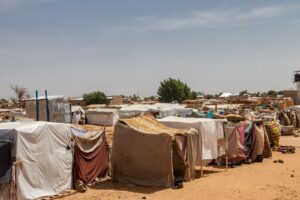
The Impact of Conflict and Displacement on Sudanese Refugee Women in Eastern Chad

This publication presents the main findings from research focusing on the situation of Sudanese refugee women and girls in four refugee camps in eastern Chad. The research finds critical gaps in aid provision, protection and gender-sensitive programming and demonstrates that the infrastructure in place is not currently gender responsive. The humanitarian response remains severely underfunded, further exacerbating these challenges and limiting support and opportunities for those in need

Refugee camp
Refugee camp; ©Adobe Stock

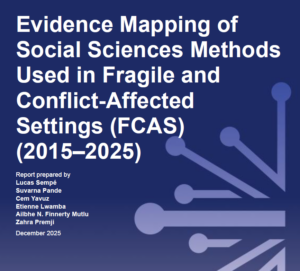
Evidence Mapping of Social Sciences Methods Used in Fragile and Conflict-Affected Settings (FCAS) (2015–2025)​

This report examines how researchers design and implement methodological approaches in contexts marked by instability, insecurity, and institutional fragility. Drawing on 5,327 studies identified through a comprehensive mapping process, it analyses patterns in data collection, research design, analytical techniques, sectoral focus, and geographic distribution, revealing both dominant practices and critical gaps in the evidence base. Findings from this work will inform future research commissioning, highlight opportunities for methodological innovation, and support more context-appropriate, rigorous, and policy-relevant evidence generation in FCAS environments.

Delivering research programmes in FCAS: Summary of lessons learned​

Throughout 2024-2025, the Research Commissioning Centre (RCC) completed several lines of work to support FCDO’s aim of delivering effective research programmes in fragile and conflict-affected settings (FCAS). This document summarises the main lessons from these different areas of work, in the interest of providing a concise presentation of these lessons and capturing the most important actionable insights.

Adopting a behavioural science lens in the Foreign, Commonwealth and Development Office’s technology and innovation investments

This portfolio review addresses a critical gap in understanding where and how behavioural science is currently applied across TIU’s technology and innovation investments, identifies barriers to systematic implementation, and develops practical tools to support more consistent integration of behavioural insights into programme design and delivery, with the goal to transform behavioural science into a core enabler of inclusive, sustainable innovation, strengthening FCDO’s global leadership and improving development outcomes.

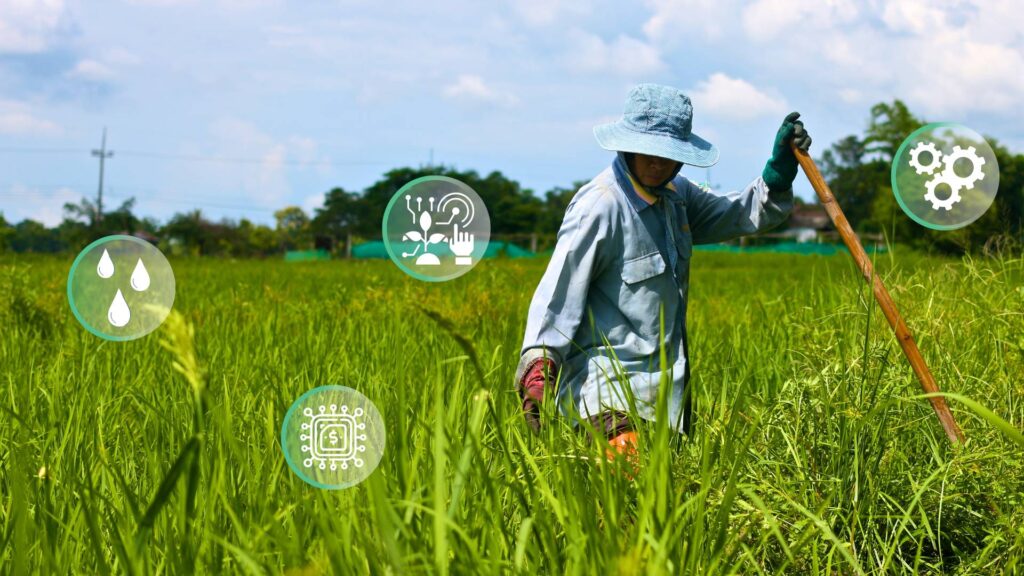
The use of artificial intelligence in food and agriculture systems

Agriculture is vital to food security and economic growth in low- and middle-income countries (L&MICs), yet faces persistent challenges such as climate variability, limited land, and delayed crop disease detection. The use of artificial intelligence in food and agriculture systems: a rapid review report commissioned by the Research Commission Centre (RCC) of FCDO and 3ie seeks to develop a comprehensive understanding of the effectiveness and the social and equity implications of AI-enabled solutions in agriculture.

©Representative image sourced via Canva

Evaluation of the climate change impact on rail operations in Türkiye

This project, “Evaluation of the climate change impact (CCI) on rail operations in Türkiye,” focuses on conducting a comprehensive assessment of how climate change affects railway infrastructure, maintenance, and operations in Türkiye through systematic literature review, stakeholder engagement, and vulnerability analysis of critical rail corridors. The study examines climate-induced hazards, including floods, heatwaves, landslides, and sea-level rise, while evaluating both mitigation strategies (such as modal shift to rail transport) and adaptation measures (including innovative monitoring technologies and resilient infrastructure design) to enhance railway resilience. Findings from this study will inform policymakers in strengthening Türkiye’s rail infrastructure resilience, aligning with the country’s goal of achieving net-zero emissions by 2050, while supporting national efforts to develop climate-resilient transportation systems and contributing to global knowledge on railway adaptation to climate change. 

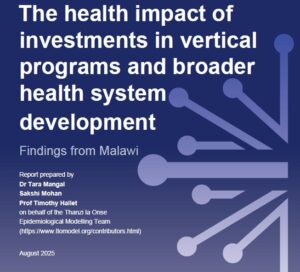
The health impact of investments in vertical programs and broader health system development: findings from Malawi

Using a dynamic microsimulation model of Malawi’s healthcare system, the research project shows the independent and combined health impacts of national-level investments in vertical scale-up programs for HIV, Tuberculosis, and Malaria (HTM), and investments in broader health system development in Malawi.

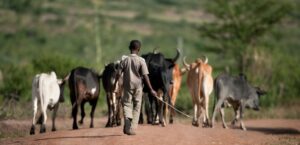
Supporting pastoralism and agriculture in recurrent and protracted crises

Ensuring resilience in the face of climate change, conflict, and socioeconomic instability is a central goal of global development policy. This report systematically maps the literature on the effectiveness of interventions to promote resilience and food security in the Middle East, Sahel, and Horn of Africa Regions. The report finds an uneven distribution of evidence across countries, interventions, and outcomes. The report offers several recommendations for additional research to probe evidence gaps.

Boy with a herd of cattle in the Serengheti National Park, Tanzania.
Boy with a herd of cattle in the Serengheti National Park, Tanzania. © Lifeonwhite/Envato

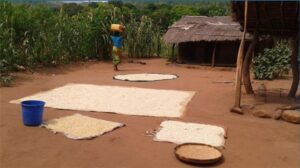
Improving food security and livelihoods through interventions to reduce postharvest losses in sub-Saharan Africa and South Asia

Significant crop losses at and after harvest continue to undermine food security and livelihoods. This project identifies evidence-based strategies to reduce postharvest losses of key food crops through a systematic scoping review and in-country consultations.

©Tanya Stathers/NRI

Mapping the shadow economy: A systematic review of shadow economy measurement methods and policy measures in Baltic States, Cyprus, Georgia, Malta and Moldova

This FCDO RCC-supported project examines how governments in the Baltic States, Cyprus, Georgia, Malta, and Moldova can better measure and reduce informal economic activity. Through systematic reviews and stakeholder engagement, the project explores evidence-informed approaches to strengthening formal economic participation and public trust.

Understanding evidence use in policymaking in Sub-Saharan Africa and South Asia

The use of evidence in policymaking has significant implications for sustainable economic development, affecting governance, growth, and societal outcomes. A new research programme supported by the FCDO’s Research Commissioning Centre is examining how policymakers engage with evidence, and what influences evidence uptake in Sub-Saharan Africa and South Asia, aiming to strengthen policymaking processes.

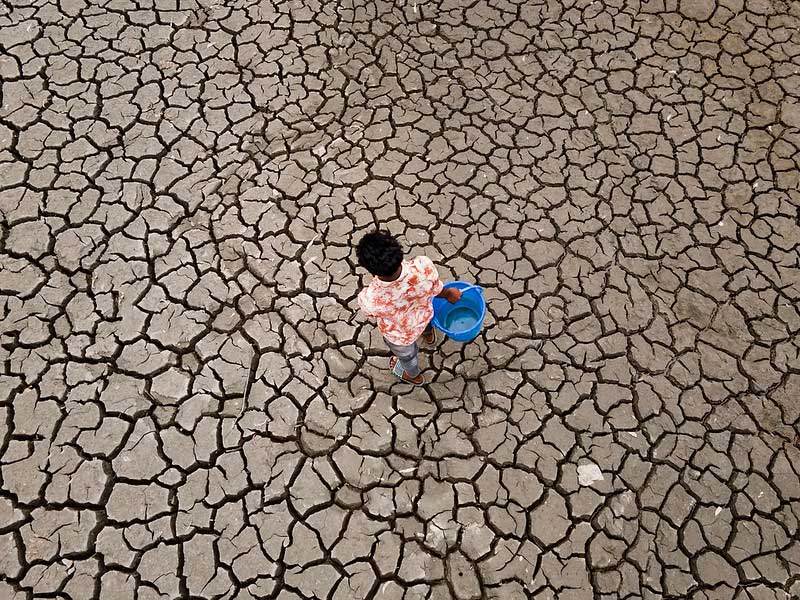
Understanding the impacts of El Niño and the Indian Ocean Dipole in the Indo-Pacific

Climate events have significant consequences on societies and economies, deeply affecting people’s livelihoods, income, food security, and health conditions. Climate patterns can influence weather in ways that can have cascading effects on both the local and global scales. With support from the FCDO’s Research Commissioning Centre, 3ie is examining the evidence of the effects of El Niño and the positive Indian Ocean Dipole on health, economics, conflict, migration, and food security across low- and middle-income countries in the Indo-Pacific region. ​

A young man braves the drought, trekking to a reservoir to collect water in the arid landscape of Satkhira, Bangladesh; ©Muhammad Amdad Hossain

Banner image: LSTM students look through microscopes in the LSTM teaching lab; ©Will Crowne/ DFID

FCDO logo

Your starting point for Foreign, Commonwealth and Development Office (FCDO) funded research and development.


All content is available under the Open Government Licence v3.0, except where otherwise stated.

Crown-copyright
© Crown copyright
Skip to content