Justice systems in low-resource and conflict-affected settings are often stretched to breaking point. In Malawi, for example, fewer than 800 lawyers serve a population of 22 million, and legal aid caseloads run into the tens of thousands
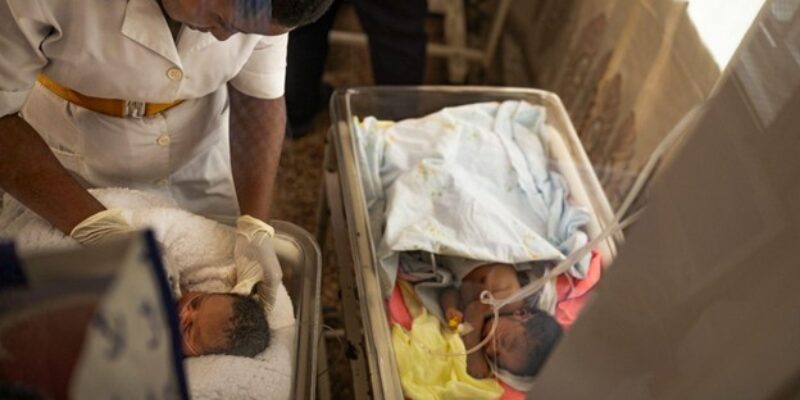
Every year, around 25 million people die from conditions that could be treated with medical oxygen, an essential medicine still out of reach for most patients in low- and middle-income countries. Expanding access could prevent 350,000 child deaths each year and deliver impact as cost-effective as childhood vaccines.
The Oxygen CoLab is helping to change that. It is building new, sustainable markets for oxygen through working with local small businesses and government partners to make sure hospitals can rely on a steady, affordable supply of medical oxygen.
In places like Nigeria and Uganda, this approach, known as Oxygen-as-a-Service (O₂aaS), helps hospitals buy oxygen as a reliable service rather than purchasing cylinders outright. Local companies install and maintain the equipment, train staff, and guarantee supply so oxygen is always available when patients need it. Our recent paper: ‘Outsourced Oxygen-to-the-Bedside’ provides early evidence on how these service-based models improve reliability and affordability.
The CoLab focuses on closing what it calls “the Missing Middle”, the gap between large oxygen producers and the hospitals at the point of care. By supporting small and medium-sized enterprises (SMEs) to bridge that gap, the CoLab is helping to build a self-sustaining market that keeps oxygen flowing to the bedside.
Local providers such as HealthPort (Nigeria), FREO₂ (Uganda), and AFHIA (Uganda) are already showing what’s possible: reliable supply, lower costs, and better patient outcomes.
Results so far:
These results show how UK catalytic investment is unlocking local innovation, attracting new finance, and helping governments build stronger health systems.
Justice systems in low-resource and conflict-affected settings are often stretched to breaking point. In Malawi, for example, fewer than 800 lawyers serve a population of 22 million, and legal aid caseloads run into the tens of thousands
A major new international research and policy partnership is helping to shape the future of sustainable transport across low and middle-income countries.
Young Lives is a unique longitudinal research programme that has followed 12,000 young people in Ethiopia, India, Peru and Vietnam – from infancy to adulthood – for more than 2 decades.
Artificial intelligence is often presented as a new frontier for international development. But the Frontier Tech Hub’s 4-part newsletter series, On the Frontier of AI, tells a more grounded and useful story: AI is not new, not only about large language models, and not useful unless the right data, infrastructure, institutions and safeguards are in place.